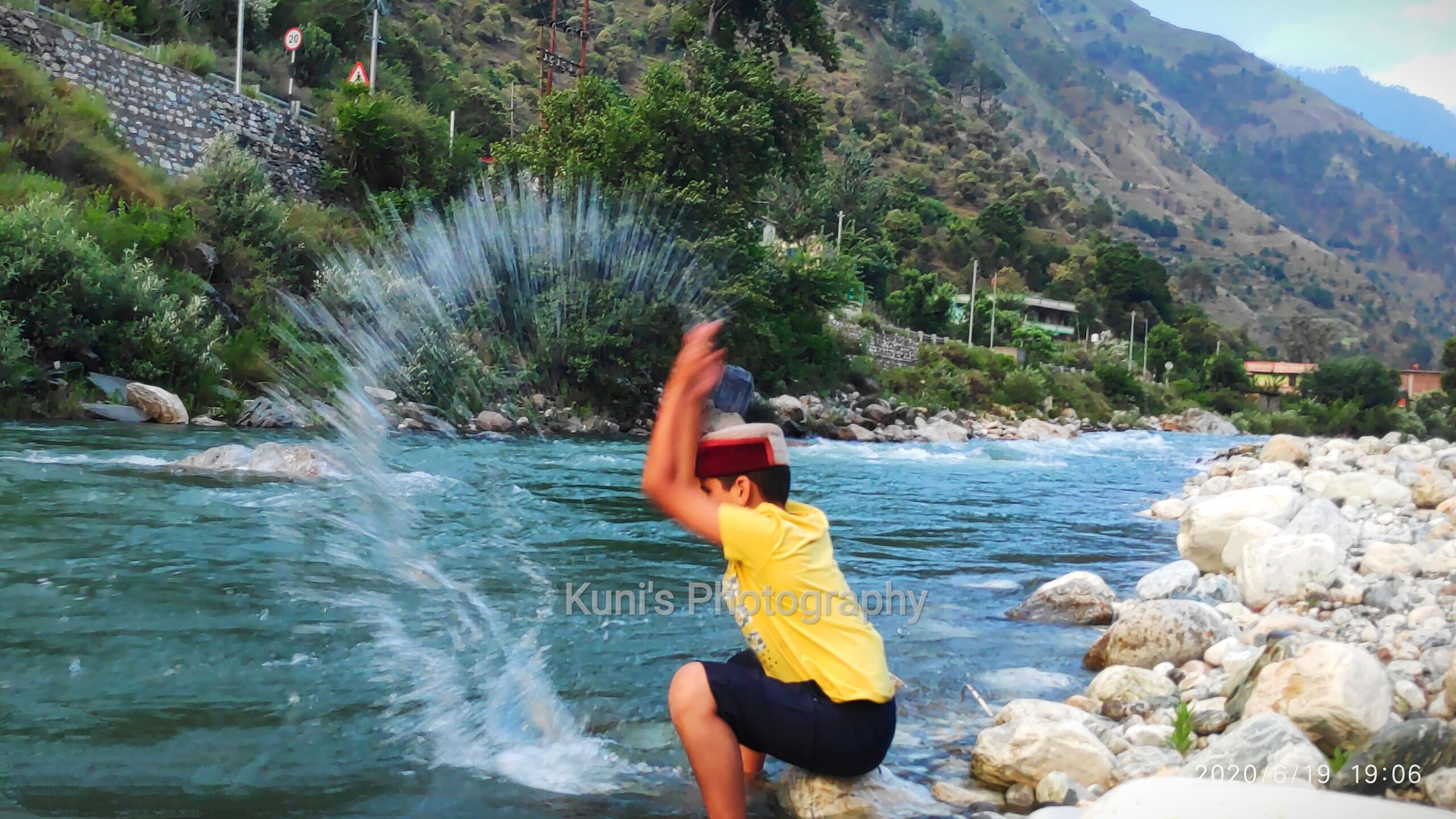
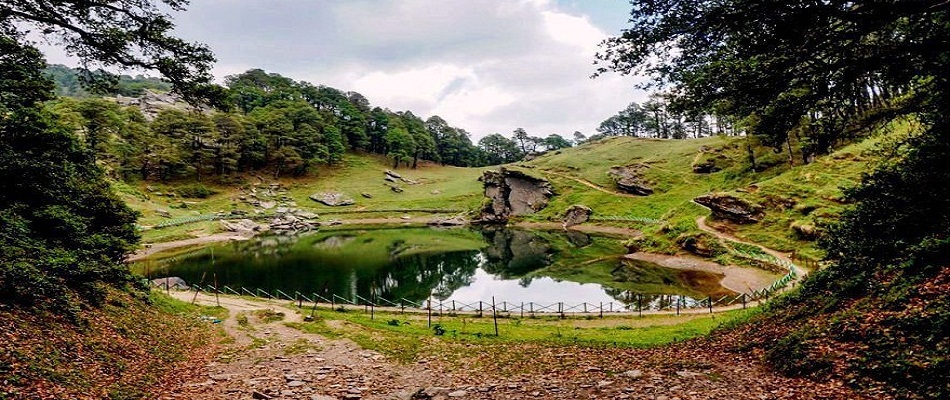
Spiti Valley – At an altitude of 12,500 feet, the valley is a world apart—harsh yet captivating, a place where the Himalayas guard secrets of faith, survival, and timeless beauty. Renowned for its austere landscapes, sacred gompas, and breathtaking vistas, Spiti remains one of the Himalayas’ most unexplored treasures. Spiti Valley is a land where the Spiti River carves its way through enchanting valleys and dramatic gorges, shaping a landscape of raw Himalayan beauty. Exploring Spiti fills you with energy, as the valley unveils breathtaking vistas of snowy peaks, pristine glaciers, and rugged terrain that feels untouched by time.
Spiti Valley, often called “Little Tibet” for its resemblance in terrain, vegetation, and climate, lies at an average elevation of 3,800 to 4,500 meters (12,500–14,760 feet). The valley floor stretches between 2,950 and 4,100 meters, while its villages, like Komic and Kibber, rise even higher in Himalayas.
The rugged terrain of Spiti Valley, adorned with ancient monasteries and windswept plateaus, calls out to adventurers eager to uncover its hidden trails and conquer its lofty passes. The lush emerald expanse of the valley, framed by snow-capped Himalayan peaks, offers the perfect playground for thrill-seekers drawn to trekking, and camping beneath starry skies.
• The natives of Spiti communicate in Stod Bhoti, a Tibetic dialect spoken across Lahaul and Spiti. This ancient tongue reflects the valley’s deep Buddhist roots. Hindi and English are also widely understood, especially among those engaged in tourism, making communication easier for travelers.
• At altitudes ranging from 3,800 to 4,500 meters, Spiti remains cold throughout the year. Even in May–June, temperatures hover around 15–20°C, while winters (December–February) can plunge to –20°C in certain areas.
• The best time to visit is between April and October, but travelers should always carry woollens, as sudden drops in temperature are common. By September, heavy woollens become essential, with evenings turning sharply cold.
• Layered clothing, thermal wear, gloves, and sturdy boots are recommended for comfort and safety in this high-altitude desert.
Routes:
Manali–Kaza (200 km): Open June–October, adventurous but seasonal.
Shimla–Kaza (420 km): Open year-round, safer with gradual altitude gain.
Road Conditions: Narrow, winding, prone to landslides—drive cautiously.
Transport: HRTC buses, shared taxis, or private vehicles.
By Air: Nearest airport to visit Spiti Valley is Chandigarh, Shimla and Bhunter (Kullu), from Delhi. The onward journey will be by road transport.
By Rail: Chandigarh and Kalka are the nearest train stations. You can take Toy train till Shimla operational from Kalka. The onward journey will be by road transport.
By Road: Planning a road trip via Manali to Kaza (June to October), you have an option to travel by Himachal Road Transport Corporation buses or by SUV for off roading experience.
Road trip via Shimla to Kaza, SUV for off roading experience is recommended for Spiti Circuit Tour.
June–September: Best overall season (adventure + accessibility).
October–November: Quieter, scenic, cultural.
Winter: Extreme, but magical for snow leopard expeditions.
Summer (Mid-June – September)
Best overall season (adventure + accessibility).
Roads: Both Manali and Shimla routes open.
Weather: Pleasant, 15–20°C during the day, chilly nights.
Highlights:
Chandratal Lake camping.
Trekking (Pin–Parvati, Bhabha Pass).
Village circuits (Langza, Hikkim, Komic).
Monastery visits (Key, Tabo, Dhankar).
Best for: Adventure seekers, bikers, trekkers, family travelers.
Autumn (October – Early November)
Quieter, scenic, cultural.
Roads: Manali route closes after Kunzum snow; Shimla route remains open.
Weather: Cold, 5–10°C, nights below freezing.
Highlights:
Golden landscapes, fewer tourists.
Great for photography and cultural immersion.
Best for: Offbeat travelers who enjoy solitude.
Winter (November – May)
Extreme, but magical for snow leopard expeditions.
Roads: Only Shimla–Kinnaur route open; Manali route closed.
Weather: Harsh, -20°C possible, heavy snow.
Highlights:
Snowbound villages (Kaza, Kibber).
Rare chance to spot snow leopards.
Authentic Spitian winter lifestyle.
Best for: Hardcore adventurers, wildlife enthusiasts.
Spring (May – Early June)
Roads: Shimla route open, Manali route still snowbound.
Weather: Cold but manageable, 10–15°C.
Highlights:
Blooming valleys, fresh greenery.
Gradual acclimatization via Shimla route.
Best for: Travelers preferring a scenic, safer journey.
Spiti Valley offers a range of stays—from boutique hotels in Kaza to eco-friendly mud huts in Tabo and homestays in remote villages. The best options balance comfort with authentic Spitian culture, making them ideal for both adventure seekers and family travelers.
Kaza: Best base for hotels, boutique stays, and connectivity.
Tabo & Dhankar: Ideal for heritage seekers; eco-stays and monastery guesthouses.
Remote villages (Demul, Mane, Kibber): Homestays offer authentic cultural immersion.
Budget travelers: Guesthouses and Hostel Spiti in Kaza.
Luxury seekers: Some Resorts and Premium Stays are availbe in Spiti Valley.
Luxury & Wellness, Boutique & Culture and Eco & Heritage Mud Houses, monastery guesthouses). Travelers can choose based on comfort, culture, or adventure.
Places To Visit in Spiti:
Nako
Nako is a serene high-altitude village in Kinnaur district, Himachal Pradesh, often called the “Gateway to Spiti”. It’s famous for its sacred lake, ancient monastery, and breathtaking Himalayan views.
Nako village is situated near the India-China border in the Trans-Himalayan region of Kinnaur district in Himachal Pradesh. Nako Lake is a prominent feature here where it borders the village.
Giu
Giu is a tiny, mysterious settlement located between Tabo and Sumdo. It is famous for housing a 500-year-old, naturally preserved mummy of a Buddhist monk inside a small shrine.
The highlight of Giu Monastery is the mummified body of a Tibetan monk, believed to be over 500 years old. Local legend says the monk was meditating when he attained a deep state of spirituality, and his body resisted decay. The body is remarkably intact, with hair and nails still visible, and is kept in a glass case for visitors to see. Villagers believe the monk continues to bless the valley, protecting it from natural calamities.
Tabo
Tabo village, a small and secluded village in the heart of Spiti, about 47 km from Kaza, at an altitude of 3,280 meters. Nestled along the Spiti River, surrounded by barren mountains and quiet landscapes.
Tabo Monastery is one of the most revered and historically significant monasteries in Spiti Valley, often called the “Ajanta of the Himalayas” because of its exquisite murals and ancient cave shrines.
Founded in 996 AD by the Tibetan Buddhist king Yeshe O. It is the oldest continuously functioning Buddhist monastery in India. The monastery complex includes temples, stupas, caves, and monk quarters. Known for its wall paintings, frescoes, and stucco sculptures, which depict Buddhist deities and stories.\
Dhankar
Situated about 32 km from Kaza, at an altitude of ~3,894 meters. Built on a rugged spur of rock, offering panoramic views of the valley below. The setting itself feels otherworldly—windswept cliffs, deep gorges, and the silver ribbon of rivers merging far below. Dhankar was once the capital of Spiti Valley, ruled by local chieftains known as Nono. The monastery dates back over 1,000 years, belonging to the Gelugpa sect of Tibetan Buddhism. It served both as a spiritual center and a fort, protecting the valley from invasions. Dhankar Monastery is one of Spiti Valley’s most dramatic and historically rich sites, perched precariously on a cliff overlooking the confluence of the Spiti and Pin rivers. The monastery houses ancient thangkas (scroll paintings), statues of Buddhist deities, and scriptures.
Pin Valley
Pin Valley is one of Spiti’s most enchanting regions, a hidden sanctuary tucked away in the high Himalayas. It is celebrated for its raw wilderness, vibrant Buddhist culture, and rare wildlife. Lies within the Cold Desert Biosphere Reserve in Spiti, Himachal Pradesh. Altitude ranges between 3,500–6,000 meters, with dramatic cliffs, alpine meadows, and glacial streams. The Pin River flows through the valley, nourishing its villages and fields. Home to the Pin Valley National Park, a protected area famous for: Snow leopards. Ibex, Himalayan blue sheep, and red foxes. Rare medicinal plants and alpine flora. The valley transforms with seasons—lush meadows in summer, stark white in winter.
Kungri Monastery
Kungri Monastery is one of the most important spiritual centers in Pin Valley, located at 10 km from Attargo Bridge (near Kaza) . Established in the 14th century, Kungri is the oldest Nyingma monastery in Spiti (only monastery of the Nyingma sect of Tibetan Buddhism). It stands as a vibrant cultural hub, contrasting with the Gelugpa monasteries like Key and Tabo.
Surrounded by stark mountains and the Pin River, it feels both secluded and deeply spiritual. The monastery complex includes several temples and prayer halls. The Nyingma sect is the oldest school of Tibetan Buddhism, emphasizing tantric practices and rituals.
Kungri serves as a cultural anchor for Pin Valley, hosting festivals and ceremonies that bring together villagers from across the region.
Kaza
Kaza, also spelled Kaze, Karze, Karzey, is a town and the subdivisional headquarters of the remote Spiti Valley in the western Himalayas in the Lahaul and Spiti district of the northern Indian state of Himachal Pradesh. It’s a living canvas of Buddhist culture, where spirituality and daily life merge seamlessly.
Kaza is the bustling heart of Spiti Valley, serving as its administrative headquarters and cultural hub. It’s the largest town in the valley and the gateway for travelers exploring the high-altitude desert. Situated at an altitude of about 3,650 meters (11,980 feet). Nestled along the Spiti River, surrounded by rugged mountains and stark landscapes. Acts as the central point connecting villages, monasteries, and trekking routes across Spiti.
Locals speak Stod Bhoti, while Hindi and English are common in tourism. Festivals like Losar (Tibetan New Year) bring vibrant celebrations. Kaza is a base for treks to Pin Valley, Chandratal Lake, and high passes like Kunzum La. Offers jeep safaris, camping, and cultural tours. Ideal for acclimatization before heading to higher villages.
Kee (Ki, Kye) Monastery
Kye Gompa, 14 km from Kaza is the largest and most iconic monastery in Spiti Valley located on top of a hill at an altitude of 4,166 metres (13,668 feet) above sea level, close to the Spiti River, in the Spiti Valley of Himachal Pradesh.
The monastery rises like a fortress, with whitewashed walls stacked in tiers against the rugged Himalayan backdrop. Its vantage point offers sweeping views of the valley and surrounding villages. Houses ancient thangkas (scroll paintings), murals, and manuscripts. Contains rare statues of Buddha and other deities. Home to hundreds of monks who live, study, and practice here. The monastery is also a training center for young lamas.
Kibber
Kibber Village is one of the most fascinating settlements in Spiti Valley, famous for being among the highest inhabited villages in the world at an altitude of 4,270 meters (14,010 feet). Surrounded by barren mountains, deep gorges, and dramatic landscapes. The village is built with stone houses, giving it a unique architectural charm compared to mud houses in other Spitian villages. It serves as a prime base for tracking snow leopards and visiting local landmarks. Winters are extremely harsh, with heavy snow isolating the village for months.
Hikkim
Hikkim is a remote high-altitude village in Spiti Valley, famous for the world’s highest post office at an altitude of 4,400 meters (14,400 ft). around 16 km from Kaza, connected by a rugged road approx. 45 Minutes driving.
Visit nearby villages:
Komic – one of the highest motorable villages.
Langza – giant Buddha statue and fossil hunting.
Komic
Komic is one of the world’s highest motorable villages, located in Spiti Valley at and altitude of 4,587 meters (15,050 ft). It’s famous for the ancient Tangyud Monastery, breathtaking Himalayan views, and its place on the popular Hikkim–Langza–Komic circuit.
Langza – Fossil Village & Buddha Circuit
Langza is one of the most picturesque villages in Spiti Valley, Himachal Pradesh, at an altitude of 4,400 meters (14,500 ft). It’s famous for its giant Buddha statue overlooking the valley, rich fossil deposits, and stunning views of snow-capped peaks like Chau Chau Kang Nilda, mountain in the western Himalayas.
Chandra Taal
handra Taal, often called the “Moon Lake”, is one of the most stunning high-altitude lakes in Himachal Pradesh. It lies in the Spiti region near Kunzum Pass, at an altitude of about 4,300 meters (14,100 ft), and is a jewel for trekkers, bikers, and adventure travelers.
Chandra Taal is the crown jewel of Spiti’s adventure circuit, combining raw Himalayan beauty with spiritual calm.
Shipki La
Shipki La is a high-altitude mountain pass (3,930 m) in Himachal Pradesh’s Kinnaur district, recently reopened for India–China border trade after a six-year suspension. The trade resumed on August 1, 2026, under a regulated barter system, boosting local livelihoods and cross-border cultural ties.
Shipki La has been a traditional Silk Route corridor, connecting Bushahr State (Rampur) with Tibet.
Tashigang & Gette
Tashigang & Gette is a remote Himalayan settlement in Himachal Pradesh known as the highest village and highest polling station in the world, sitting at 15,256 feet (4,650 meters) with a tiny population and handful of houses, while Gette requires a short trek from the main dirt road to reach.
Mane Village
Located about 25 km from Kaza near the confluence of the Pin and Spiti Rivers. It is a serene escape featuring traditional mud and stone houses, an 800-year-old Shiva temple, and opportunities to spot rare wildlife.
Mane Village is a pair of twin settlements—Upper Mane and Lower Mane—located in Spiti Valley, Himachal Pradesh. They are lesser-known compared to Langza or Komic, but they hold deep cultural and spiritual significance.
Lhalung
Lhalung Village is one of Spiti Valley’s most spiritually rich and culturally significant places, often called as the “Land of the Gods”. It is best known for the Serkhang Monastery (Golden Temple), which is believed to have been founded in the 10th century by Rinchen Zangpo, the great translator of Buddhist scriptures.
The monastery complex features a stunningly preserved inner sanctum.
Demul Village
Demul Village is one of Spiti Valley’s most charming and community-driven villages, known for its unique cooperative lifestyle and eco-friendly tourism practices. It offers travelers a rare chance to experience authentic Spitian culture while supporting sustainable development.
The best things to do in Spiti Valley include visiting ancient monasteries like Key and Tabo, exploring high-altitude villages such as Langza, Hikkim, and Komic, trekking to Chandratal Lake, and immersing yourself in authentic village homestays. Adventure, spirituality, and cultural immersion blend seamlessly here.
Monasteries & Spiritual Experiences
Key Monastery (12 km from Kaza): Largest monastery in Spiti, iconic fortress-like structure.
Tabo Monastery (996 AD): Known as the Ajanta of the Himalayas for its murals.
Dhankar Monastery & Lake: Cliffside monastery with a short trek to a glacial lake.
Kungri Monastery (Pin Valley): Only Nyingma sect monastery in Spiti.
Giu Monastery: Houses a 500-year-old naturally preserved mummy of a monk.
High-Altitude Villages
Langza: Fossil village with a giant Buddha statue.
Hikkim: World’s highest post office—send a postcard home.
Komic: World’s highest motorable village.
Kibber: Famous for snow leopard spotting and Chicham Bridge.
Tashigang: World’s highest polling station.
Natural Wonders & Adventure
Chandratal Lake (Moon Lake): Crescent-shaped glacial lake, camping and stargazing.
Pin Valley National Park: Trekking, snow leopard habitat, alpine flora.
Kunzum Pass: Scenic gateway between Spiti and Lahaul.
Nako Lake & Village: Sacred lake en route from Shimla side.
Unique Experiences
Stargazing: Crystal-clear skies, Milky Way visible (best at Chandratal, Kibber, Langza).
Homestays: Stay with locals for authentic food and culture.
Fossil Hunting: Langza slopes reveal ammonite fossils from the ancient Tethys Sea.
Yak Safari: Traditional rides offered in select villages.
River Rafting: Spiti and Pin rivers (seasonal).
Snow Leopard Expedition : Opportunity to get a rare glimpse of the big cat in the wild, Snow Leopard (The Ghost Of Mountains).
June–September: Best for road trips, trekking, camping, and monastery visits.
October–November: Quieter, scenic, great for photography.
Winter (Nov–May): Extreme, but ideal for snow leopard expeditions.
Spiti Valley’s cuisine is simple, hearty, and deeply influenced by Tibetan and Himalayan traditions—perfectly suited to its cold desert climate. Expect warming soups, steamed breads, salty teas, and barley-based staples that sustain locals through long winters.
Must-Try Local Dishes
Thukpa: Noodle soup with vegetables or meat, a comforting staple.
Thenthuk: Hand-pulled noodle soup, thicker and more filling.
Momos: Steamed dumplings stuffed with vegetables or meat.
Tingmo: Steamed bread, often served with curries or stews.
Skyu: A traditional Spitian dish made with wheat dough balls cooked in broth.
Tsampa: Roasted barley flour mixed with butter tea, a high-energy staple.
Khambir: Local buckwheat/barley flatbread, often eaten with apricot jam or honey.
Churam: A barley-based sweet dish, rare but authentic.
Drinks
Butter Tea (Gur Gur Chai): Salty tea churned with yak butter, warming and energizing.
Seabuckthorn Juice/Tea: Made from local berries, rich in Vitamin C.
Chhang: Mildly alcoholic fermented barley drink, often shared during festivals.
Herbal Teas: Infused with local mountain herbs.
Spiti Culinary Trail
Altitude & Health
• Acclimatization: Spend a night at Kalpa (Shimla route) or Manali before heading to Kaza.
• Altitude Sickness: Carry Diamox or consult a doctor; hydrate well.
• Physical Fitness: Trekking and village walks require stamina.
Packing Essentials
• Clothing: Layered warm clothes, windproof jackets, gloves, woolens.
• Shoes: Sturdy trekking shoes.
• Other Gear: Sunscreen, sunglasses, lip balm, power bank, flashlight.
• Cash: ATMs are rare; carry enough cash from Shimla/Manali.
Connectivity & Facilities
• Mobile Network: BSNL works best in Kaza; very limited elsewhere.
• Internet: Patchy; expect digital detox.
• Medical: Basic facilities in Kaza; serious cases referred to Reckong Peo/Manali.
Tips
• Permits: Indians don’t need permits; foreigners require PAP for Pin Valley.
• Eco-Friendly: Carry reusable bottles, avoid plastic, respect local culture.
• Driving: Only experienced drivers should attempt self-drive; otherwise hire local taxis.
• Emergency: Inform someone of your route; keep buffer days for roadblocks.
Destination Distance (km) Notes
Kee Monastery – 12 Kms – Iconic hilltop monastery, spiritual crown of Spiti.
Kibber Village – 18 Kms – Famous for wildlife (snow leopards) & Chicham Bridge.
Langza Village – 16 Kms – Known for fossils & giant Buddha statue.
Hikkim Village – 17 Kms – World’s highest post office.
Komic Village – 18 Kms – World’s highest motorable village.
Tabo Monastery – 48 Kms – “Ajanta of the Himalayas,” oldest functioning monastery.
Kunzum Pass – 75 Kms – Gateway to Lahaul, connects to Manali.
Chandra Taal – 98 Kms – Crescent-shaped “Moon Lake,” camping & trekking.
Reckong Peo – 200 Kms – District HQ of Kinnaur, entry point via Shimla route.
Manali – 480 Kms – Adventure route to Spiti (seasonal).
Shimla – 410 Kms – Scenic heritage route, open year-round.
Chandigarh (via Manali) – 500 Kms – Shorter but seasonal route.
Chandigarh (via Shimla) – 522 Kms – Safer, year-round route.
Delhi (via Manali) – 730 Kms – Adventure route, faster but seasonal.
Delhi (via Shimla) – 965 Kms – Longer but safer, gradual acclimatization.
Spiti Valley remain pleasant from April to October.
May – June temperatures will be around 15°C – 20°C and this time considered as a best time to visit the Spiti Valley.
Winters are harsh, the temperature falls to minus –5 °C to –20 °C – This is the time for adventure lovers and snow leopard expedition.
Clothing: Heavy down jacket, thermals, fleece mid layers, insulated boots, woollen socks, gloves, balaclava.
Gear: –20 °C rated sleeping bag, trekking poles, sunglasses (for snow glare).
Health: Acclimatization is critical; altitude sickness risk is higher in winter.
Transport: Hire experienced local drivers; avoid self drive unless highly skilled in icy mountain roads.
Extreme Cold: Not suitable for casual tourists; only seasoned travelers should attempt.
Limited Facilities: Few homestays remain open, hot water and heating are scarce.
Flexibility Needed: Roads can close for days after snowfall; itineraries must allow buffer time.
1. Losar Festival (Tibetan New Year)
• When: February/March
• Highlights: Monasteries decorated, prayers for prosperity, traditional dances, feasts. Usually celebrated in February to mark the advent of the New Year.
• Where: Celebrated across Spiti, especially in Kaza and Key Monastery.
2. Gustor Festival
• When: July
• Highlights: Sacred Cham masked dances symbolizing the triumph of good over evil.
• Where: Key Monastery, Komic Monastery.
3. Fagli Festival
• When: February (post-harvest)
• Highlights: Villagers wear masks, perform folk dances, celebrate abundance.
• Where: Villages around Kaza and Kinnaur.
4. Ladarcha Fair
• When: August
• Highlights: Once a barter fair between Spiti, Ladakh, Tibet, and Kinnaur; now a cultural fair with music, dance, and stalls.
• Where: Kaza.
5. Dechhang Festival
• When: Deep winter (December–January)
• Where: Across villages of Spiti, especially around Kaza.
• Focus: Social bonding, feasting, and merrymaking among villagers. Sharing food, barley beer (chhang), butter tea, folk dances, songs, and visiting neighbors. Strengthens community ties during harsh winters; a people centric festival.
Embarking on a journey to Spiti Valley is more than just a trip, it’s a life-changing experience. At HiddenHimachal.com, we’re here to make it seamless and unforgettable. From arranging accommodations and transport to offering expert guidance, we ensure every detail is taken care of.
Get ready to explore the enchanting wonders of Spiti Valley with Best Tour Operator for Spiti Valley, Hidden Himachal Treks & Adventure or Spiti Travel Group.
Let the Himalayas awaken your spirit and leave you with memories to cherish forever.
Contact us today to start planning your Himachal Travel !