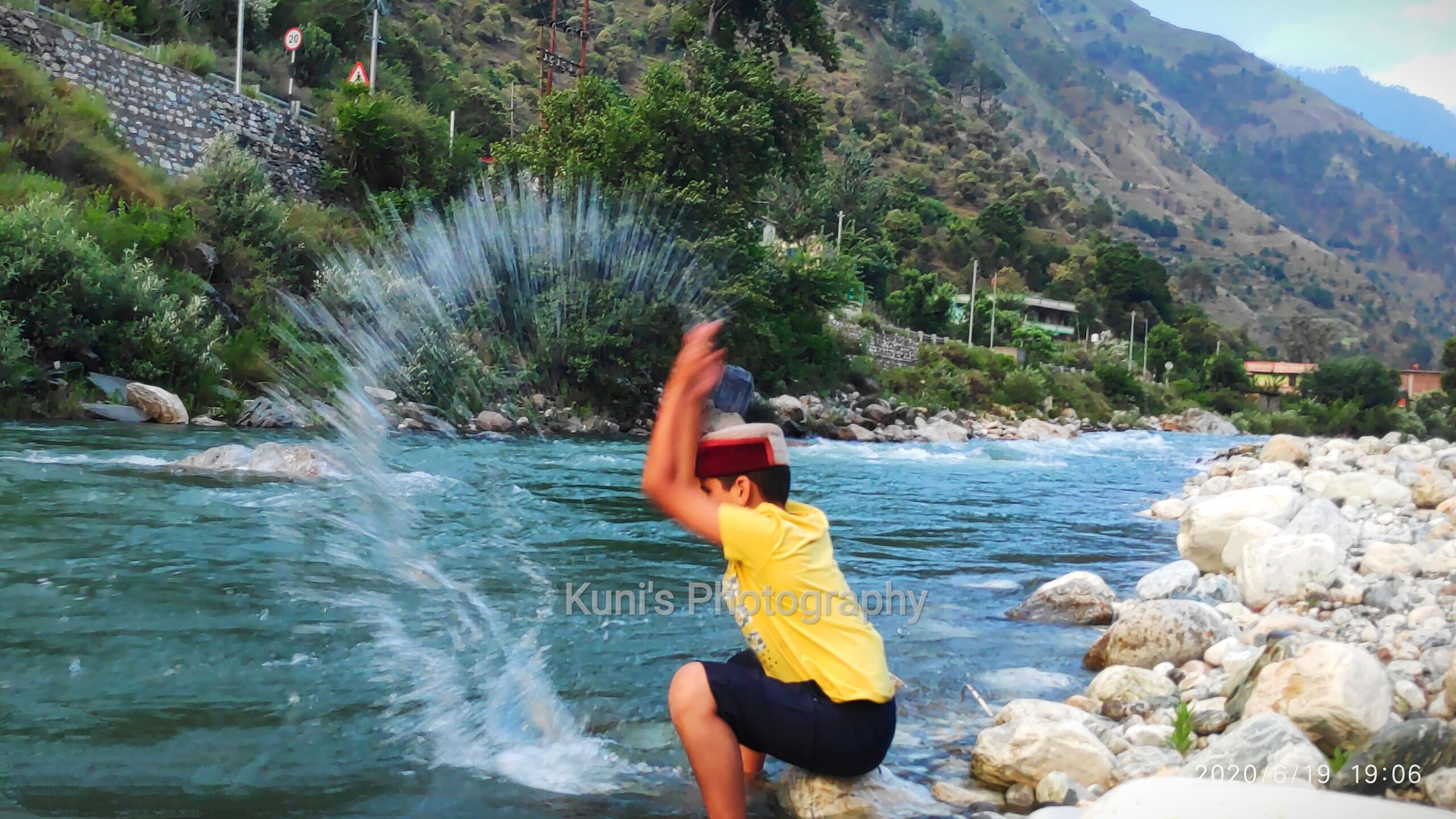
Himachal Pradesh combines dramatic mountain scenery, rich cultural diversity, and a wide range of outdoor experiences, from family friendly hill stations to remote, high altitude deserts. Its ecological significance (forests, alpine meadows, glacial systems) and cultural heritage (monasteries, Pahari traditions) make it both a popular tourist destination and a region where sustainable development is essential to preserve landscapes and livelihoods for future generations.
Hill stations like Shimla and Manali to high altitude terrains like Spiti Valley and hidden valleys like Seraj Valley and Barot.
Best time to visit most places is March–June and September to March. Some places are ideal for snow activities during winters.
• Shimla : Colonial architecture, Mall Road, Viceregal Lodge, Christ Church.
• Kufri, Naldehra, Narkanda, Chail : Ski slopes, horse rides, snow play, viewpoints, quieter hill escapes, Scenic golf course, pine forests.
• Barot : Riverside camping, Trout fishing, waterfalls, Offbeat meadows.
• Karsog : Apple orchards, quiet villages.
• Janjelhi : Apple orchards, quiet villages and Holy shrine.
• Rewalsar : The Holy lake, and multicultural destination representation Hinduism, Bhudhism, and Sikhism. Maa Naina Devi Holy shrine.
• Parashar Lake : Freshwater holy lake, famous for its floating island and 13th-century pagoda-style temple of Parashar Rishi.
• Kullu : City Centre, Adventure sports, trekking, Bijli Mahadev Temple, the holy shrine.
• Manali : Adventure sports, trekking, gateway to Rohtang and Lahaul Spiti. Solang Valley (paragliding, skiing), Hidimba Temple, Manu Rishi Temple, Vashisht Rishi Temple
• Naggar : Castle, art galleries.
• Kasol & Parvati Valley: Backpacker hub, riverside cafes, short treks, Kheerganga trek.
• Manikaran : Natural hot water spring, Temple & Gurudwara Shrine.
• Banjar and Sainj (Formally known as Tirthan Valley, Jibhi & Sainj Valley) : UNESCO the World Heritage (Part of Seraj Valley), Trout fishing, waterfalls, Offbeat meadows, wooden temples, cafes.
• Larji Village : First Village of Inner Seraj Region, Centrally located village at T Point of Banjar and Sainj. Main hub (Base) to explore entire region, Trout fishing and Upcoming water sports centre.
• Dharamshala, McLeod Ganj: Tibetan culture, Dalai Lama’s residence, meditation and trekking, tea gardens.
• Bir Billing: Paragliding capital of India.
• Baijnath: Baijnath Shiv Temple or Vaidyanath Temple, an ancient Hindu shrine.
• Palampur: Tea estates, monasteries.
• Dalhousie: Colonial charm, Khajjiar (“Mini Switzerland”). Less crowded colonial towns with temples, viewpoints, and gentle walks.
• Chamba: Temples, handicrafts, Ravi River valley.
• Pangi Valley: Remote, rugged landscapes.
• Kalpa: Views of Kinner Kailash.
• Chitkul: Last village near Indo Tibet border.
• Sangla Valley: Apple orchards, Baspa River, cultural villages.
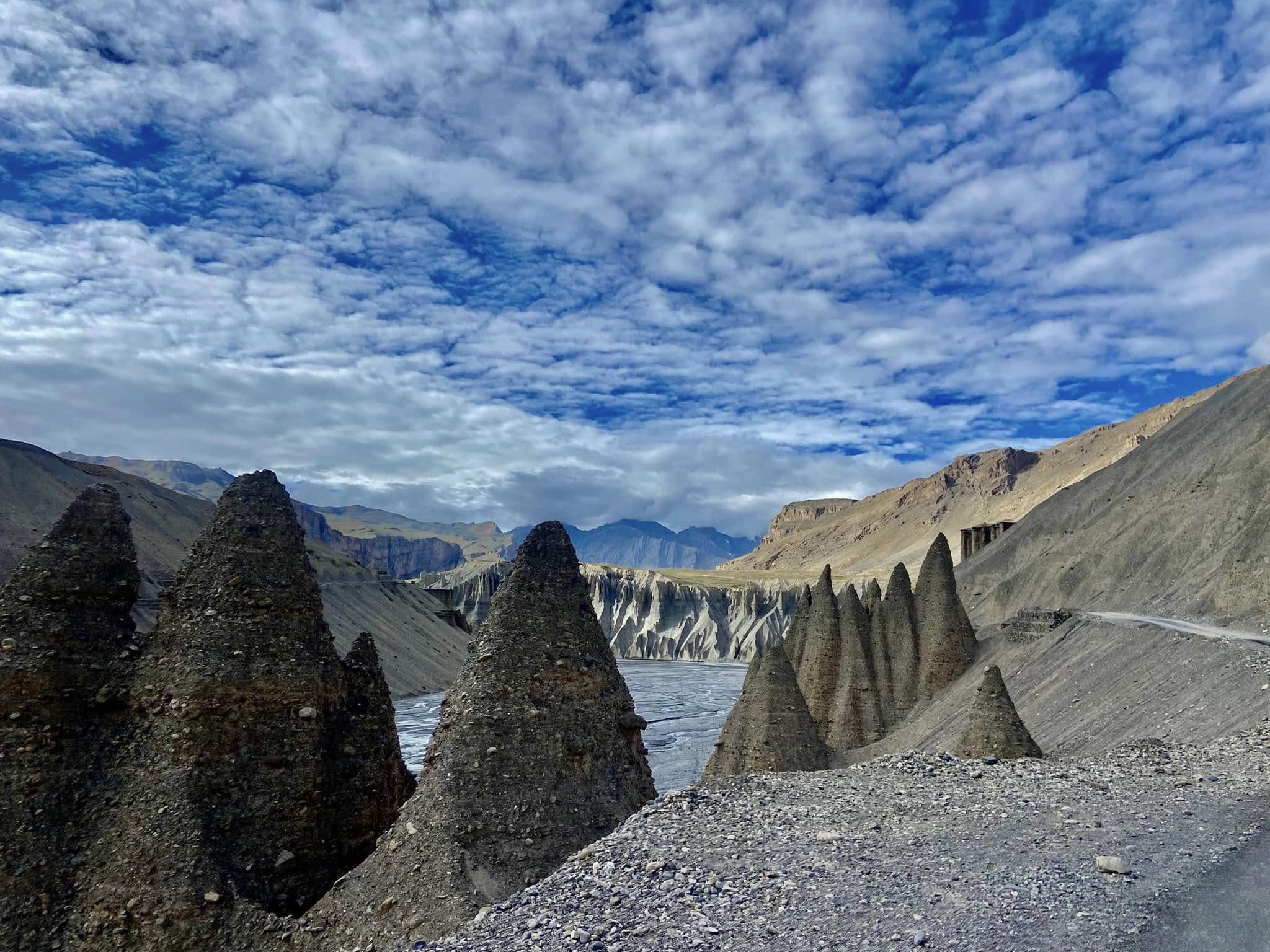
• Spiti Valley: High altitude desert landscapes, ancient monasteries. Key Monastery, Tabo Monastery, Chandratal Lake, Hikkim (world’s highest post office),
• Lahaul: Sissu waterfalls, Atal Tunnel access, Trilokinath, Miyar Valley
• Kasauli: Serene colonial-era hill station, established by the British Raj in 1842, famous for its peaceful pine-covered trails, Victorian architecture, and slow-paced vibe.
• Solan: Shoolini temple, brewery town.
• Nahan: Renuka Lake, Temples & Gurudwara Shrine.
By air: Small airports at Shimla (Jubbarhatti), Kullu–Manali (Bhuntar), and Gaggal (near Dharamshala); limited commercial flights. Kangra (Gaggal) and Bhuntar are the most used for tourist access.
By rail: Nearest broad gauge railheads are in the plains (Chandigarh, Pathankot); the Kalka–Shimla toy train (narrow gauge) is a heritage route.
By road: Well connected by national and state highways; mountain roads can be narrow and weather sensitive—high clearance vehicles recommended for remote routes. Seasonal road closures occur at high passes (Rohtang, Kunzum).
Spring (Mar–May): Warming temperatures, rhododendron and apple blossoms.
Summer (May–June): Peak tourist season; pleasant days and cool nights in hill stations. Pleasant weather, trekking, sightseeing.
Monsoon (Jul–Aug): Heavy rainfall in lower hills; landslide risk on some roads.
Autumn (Sep–Nov): Clear skies and excellent visibility—another prime travel window.
Winter (Dec–Feb): Snow in higher reaches (Kufri, Narkanda, Rohtang, Lahaul Spiti approaches); some high passes remain closed, Best time for Winter sports.
Permits: Needed for Spiti, Rohtang, and border areas.
Transport: High clearance vehicles recommended for Spiti/Lahaul.
Connectivity: Limited in remote valleys; BSNL often best.
Cash: ATMs scarce in offbeat regions.
Sustainability: Carry refillable bottles, avoid plastic, and prefer homestays.
Embarking on a journey to Himachal Pradesh is more than just a trip, it’s a life-changing experience. At HiddenHimachal.com, we’re here to make it seamless and unforgettable. From arranging accommodations and transport to offering expert guidance, we ensure every detail is taken care of.
Get ready to explore the raw Himachal with Best Tour Operator for Himachal Pradesh, Hidden Himachal Treks & Adventure
Let the Himalayas awaken your spirit and leave you with memories to cherish forever.
Contact us today to start planning your Himachal Travel !
Hidden Himachal – Treks & Adventure
A Travel Explorers India Company
Call : (+91) 9882066645 | 9805374009
Mail : hiddenhimachal@gmail.com
For Group Bookings : 6+ pax travelling – get special rates.